
Tree Planting Brings New Growth to Maple Grove |
A Girl Scout turns the loss of ash trees into a neighborhood service project |
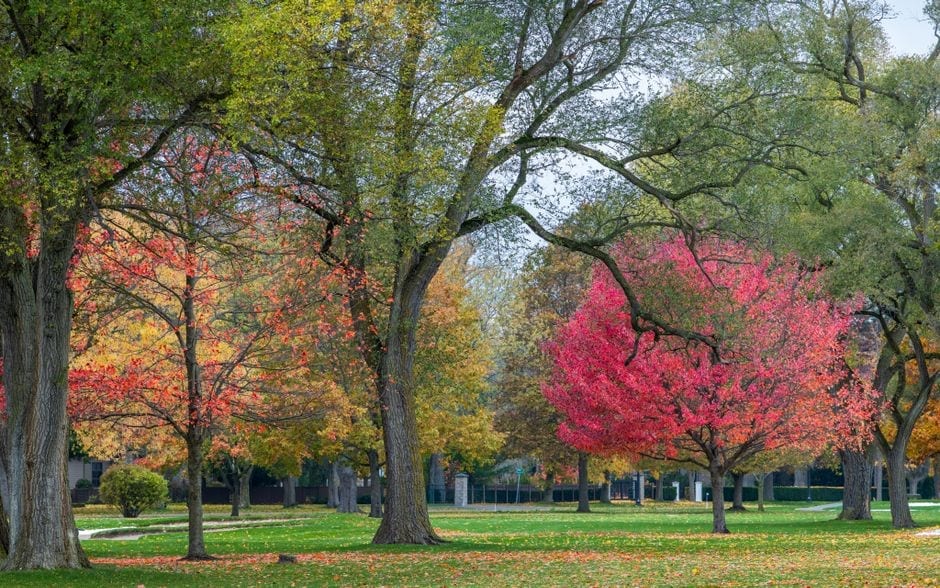
A Maple Grove Girl Scout is turning the loss of neighborhood trees into a hands-on project aimed at bringing new growth back to the community.
Clara Rexine, 12, noticed that 24 ash trees had been removed from around a pond in her neighborhood after the trees were affected by emerald ash borer.
Instead of simply accepting the empty spaces, she decided to make tree replacement the focus of her Girl Scout Silver Award project.
The idea is a small example of how a major environmental problem can become a very local project.
Emerald ash borer has caused widespread damage to ash trees, and the removal of affected trees can leave noticeable gaps in established neighborhoods.
For residents, the change is more than cosmetic.
Mature trees provide shade, character and a familiar sense of place, so losing a group of them can change the feel of a neighborhood quickly.
Rexine’s project takes a practical approach to that problem by asking a simple question: What should come next?
Instead of treating the removed trees as the end of the story, the project focuses on replanting and giving the neighborhood a chance to rebuild some of what was lost.
That makes the effort especially fitting for a Silver Award project.
The award is designed around meaningful community service, and projects at that level are meant to address a real need while giving Girl Scouts an opportunity to develop leadership and problem-solving skills.
For a 12-year-old, choosing a neighborhood environmental project also puts the work close to home.
The pond and surrounding area are places residents see regularly, which makes the results easier for the community to notice.
The project also highlights an issue many Minnesota communities have faced: replacing mature ash trees is not a quick process.
A newly planted tree cannot immediately provide the same canopy as an established tree, so restoration is measured over years rather than weeks.
That long view is part of what makes neighborhood planting projects worthwhile.
New trees can eventually restore shade and greenery while helping maintain the character of residential areas.
The work also gives younger residents a direct role in shaping what their neighborhoods will look like in the future.
Rexine’s project began with observation.
She saw the empty spaces left after the ash trees were removed and wondered what could be done next.
That kind of curiosity is often where useful community projects begin.
The project is also a reminder that environmental challenges do not always have to be addressed through large regional programs.
Sometimes the most visible response starts with one neighborhood, one vacant planting spot and someone willing to do the work.
In Maple Grove, the loss of 24 ash trees created a problem that was impossible to miss.
Rexine chose to turn that problem into an opportunity for service.
For neighbors, the project offers something tangible to look forward to: new trees taking root where diseased ash trees once stood.
For the Girl Scout leading it, the effort is about more than planting.
It is a chance to practice leadership, improve a place she knows and leave a lasting mark on her community.
That is a pretty good definition of a neighborhood project with a long-term payoff.
The project also gives neighbors a chance to see how young people can contribute to solving problems that affect the places where they live. |
0 Comments
Join the conversation
Be the first to comment
Share your thoughts above.